12: Kentucky

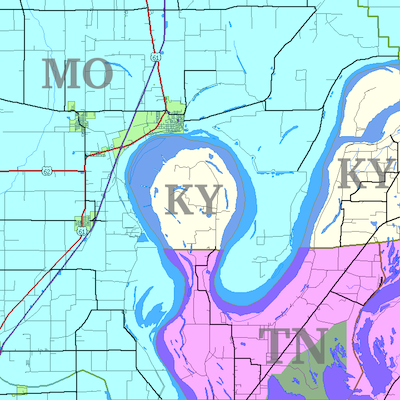 This was my second visit to Kentucky, because I had once changed planes at Cincinnati airport. “What?”, I hear you say. “Cincinnati is in Ohio, not Kentucky”. That’s true, but Cincinnati airport is in neighboring Kentucky, so, strictly speaking, I had already been to Kentucky once before. (Ohio, on the other hand, I have yet to visit – but plan to pass through later in this trip.)
To visit Kentucky on this trip, I decided to make a short detour north of Memphis to visit a geographic anomaly: The “Kentucky Bend“. This is a small portion of Kentucky that is almost completely surrounded by the Mississippi River, and is accessible by land only from Tennessee.
The Kentucky Bend is a flat, flood-prone piece of farmland, and hardly seems representative of Kentucky as a whole. (When one thinks of “Kentucky”, one imagines rolling hills.) Kentucky is definitely one state that I hope to explore in more detail in some future trip.
Just north of here, across the Mississippi River, is the small town of New Madrid, Missouri, which is famous in its own right, for a series of powerful earthquakes in 1811-1812. These earthquakes were as strong as an estimated magnitude 8.1! Although earthquakes occur far more frequently along the West Coast (at the edge of the North American Plate), there are also fault lines at some places – such as here – inside the plate, and these, too, can produce major earthquakes – just not as frequently.
Nobody knows, of course, when an earthquake this strong will strike this area again; it is unlikely to happen anytime soon. Back in 1811-1812, this area was very sparsely populated. But if such an earthquake were to happen again today, it would likely be the most expensive natural disaster in US history. Buildings in this part of the country aren’t built to earthquake codes like they are in California. There are many masonry buildings (which are damaged easily in earthquakes), and all of the freeway overpasses here look very flimsy compared to those in California. Many, many buildings in Memphis and St. Louis would collapse for sure.
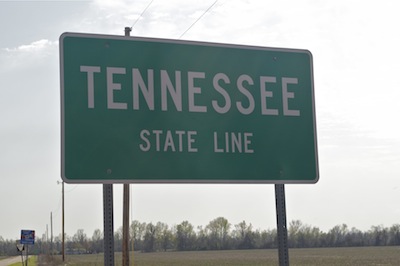
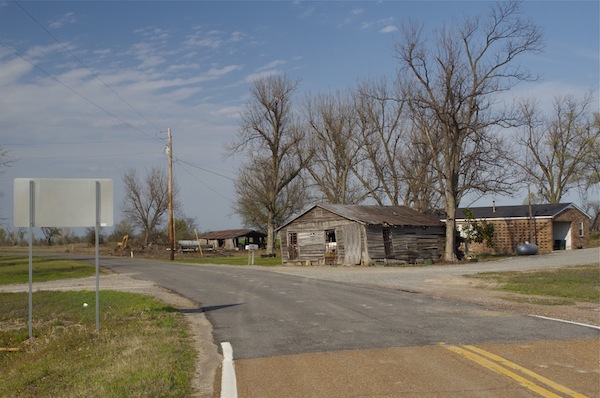 Looking into the Kentucky Bend, at the Tennessee-Kentucky state line |
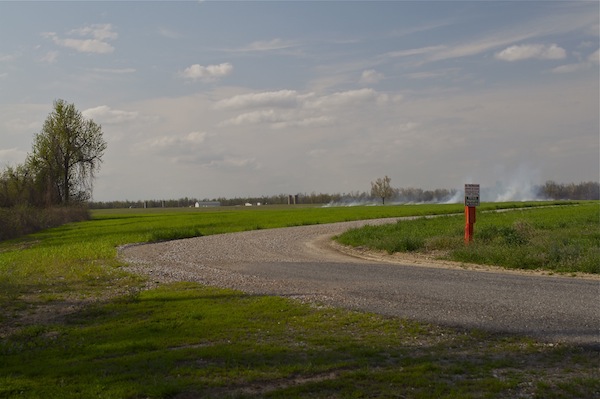 Private farmland - undergoing a controlled burn - at the western edge of the Kentucky Bend |
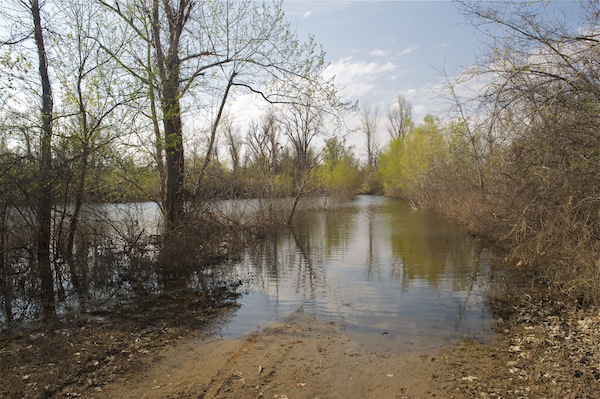 A flooded country road at the northern end of the Kentucky Bend |

 The
The 


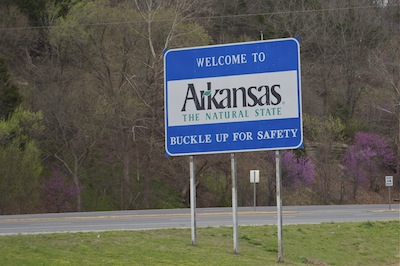 This was my first visit to Arkansas.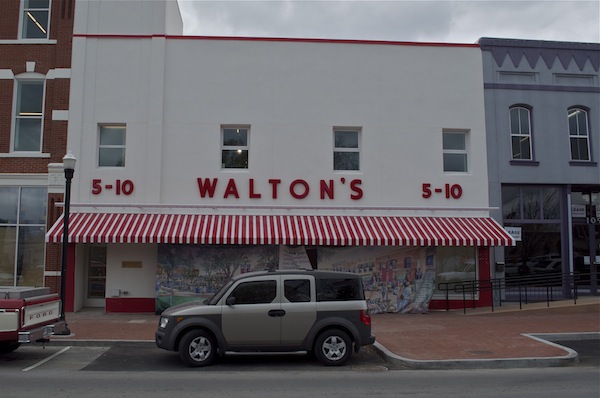
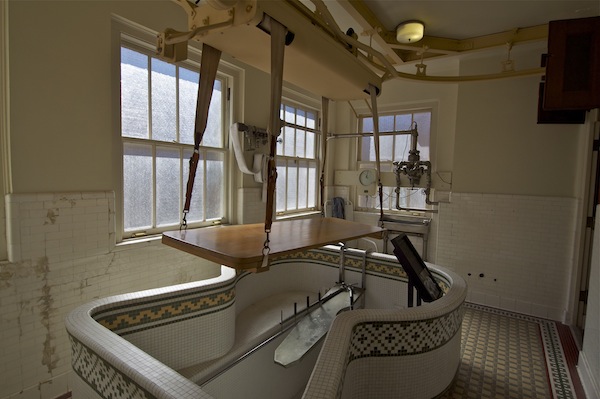
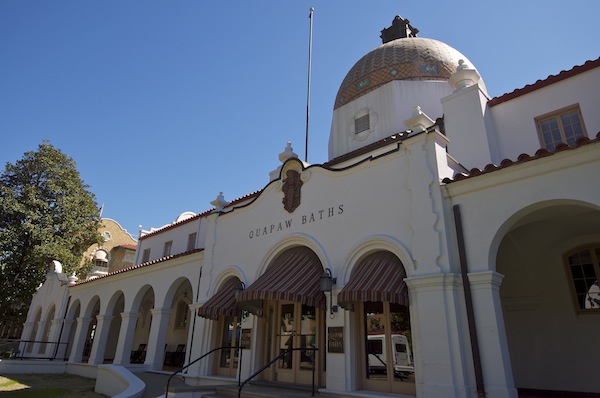
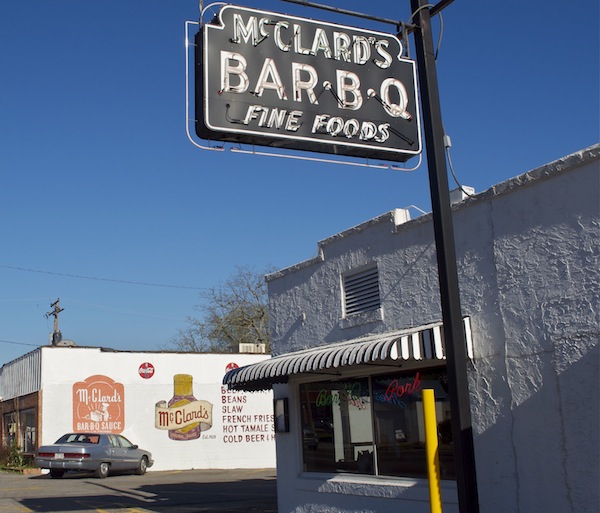
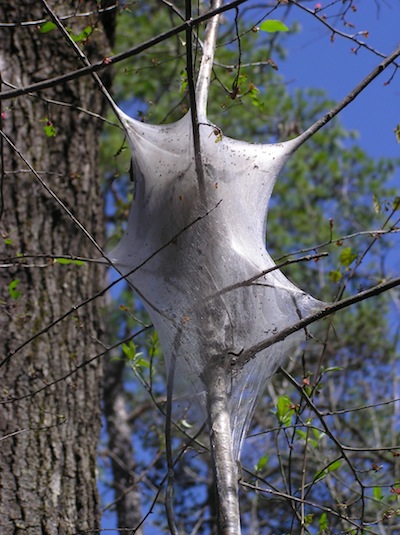
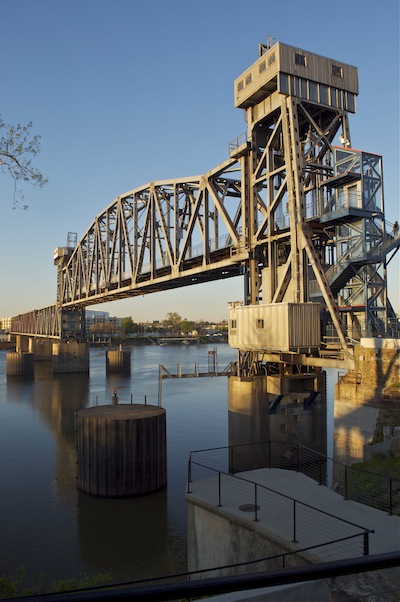
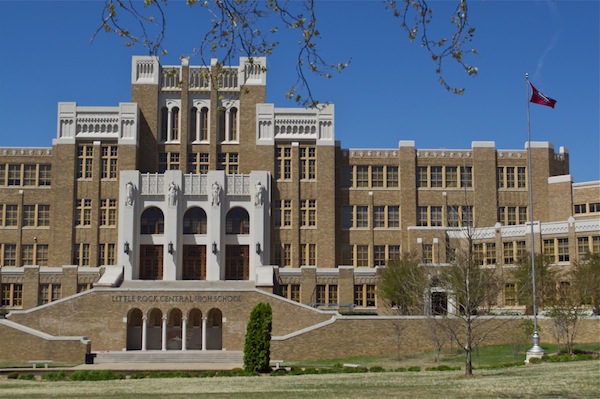
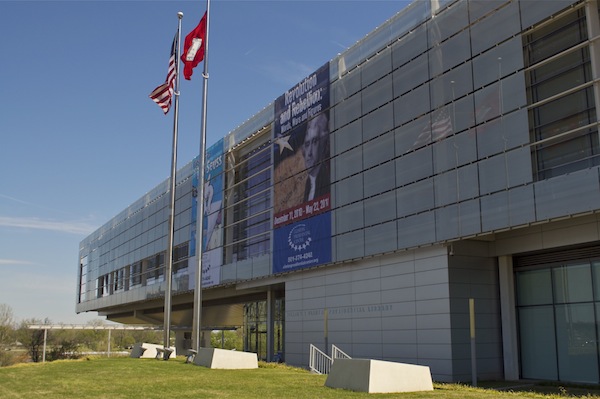
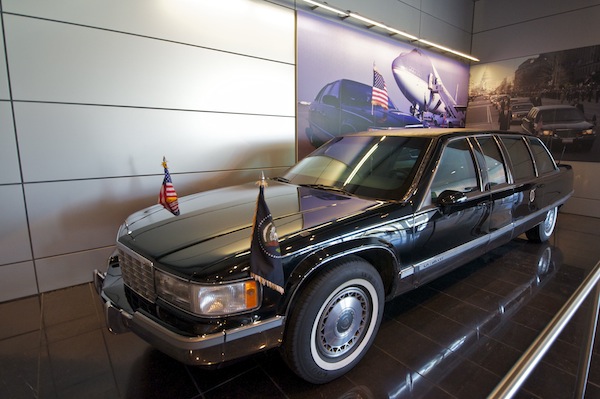

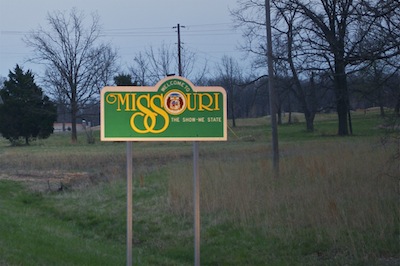 After passing through the south-eastern corner of Kansas (coming from Oklahoma), I spent the evening in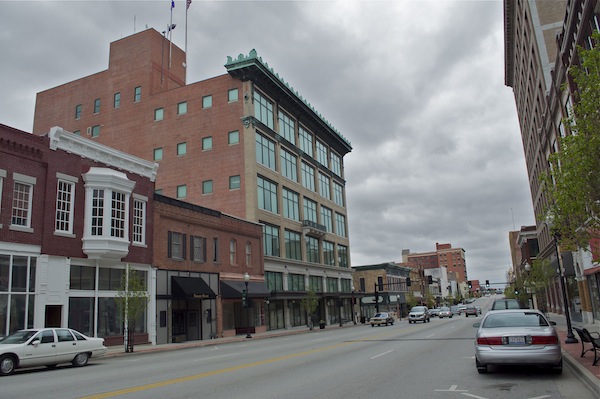
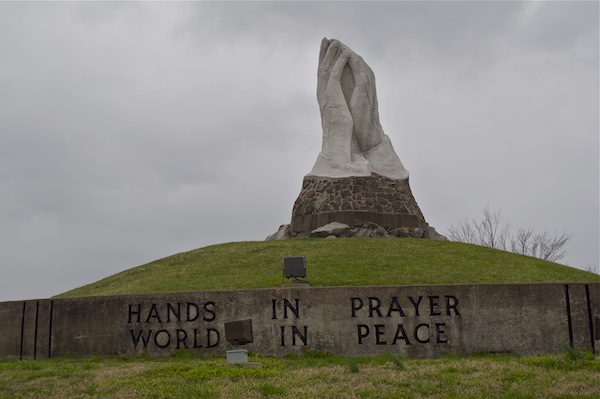

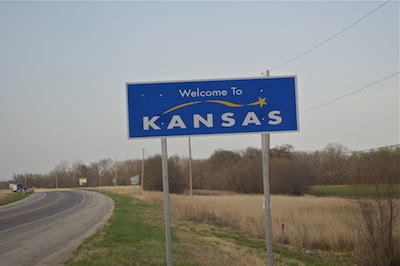 From Oklahoma, I passed briefly through the south-eastern corner of Kansas (en route to Joplin, in south-western Missouri).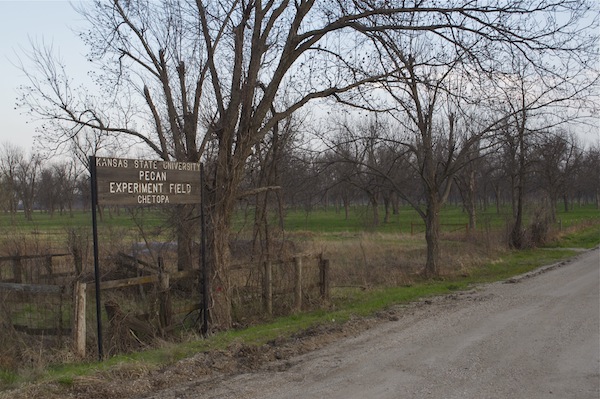
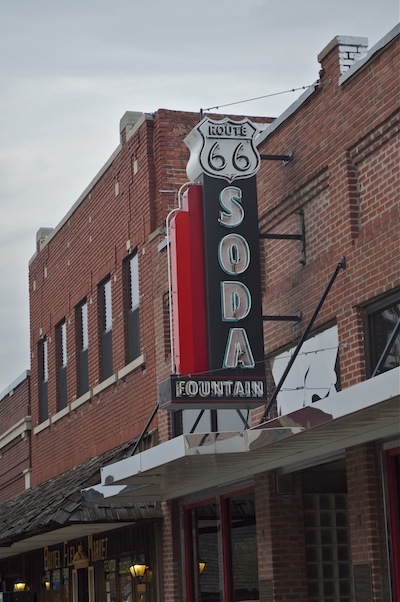

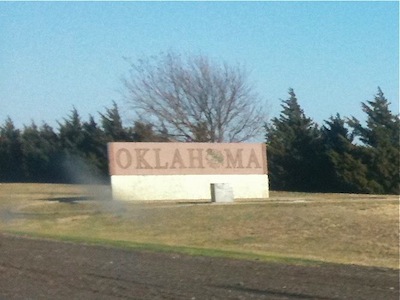 “Severe Weather”. This was the warning that I saw on “The Weather Channel” when I turned on the TV on Sunday morning. I had stopped overnight in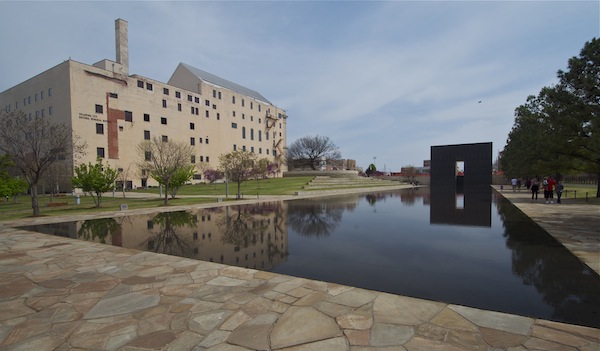

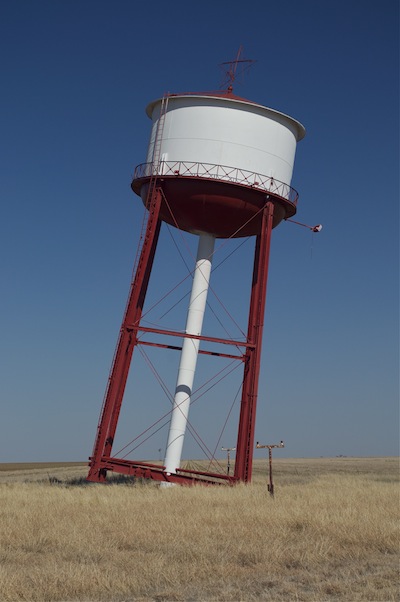
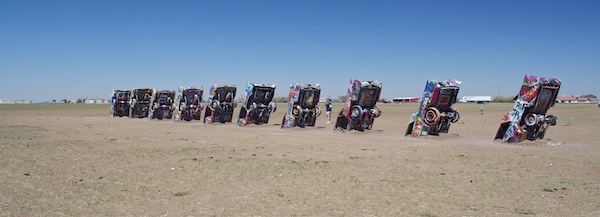
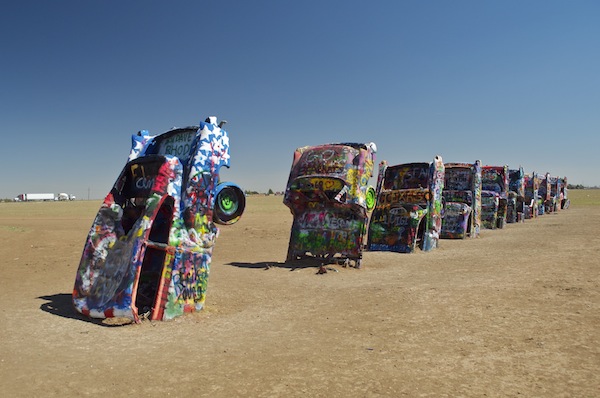
 “Is this the way to Amarillo?”. That was the question posed in a 1970s pop song by British singer Tony Christie (who, in reality, had probably never visited the place). For most people living outside the U.S., this was the first they had heard about the city of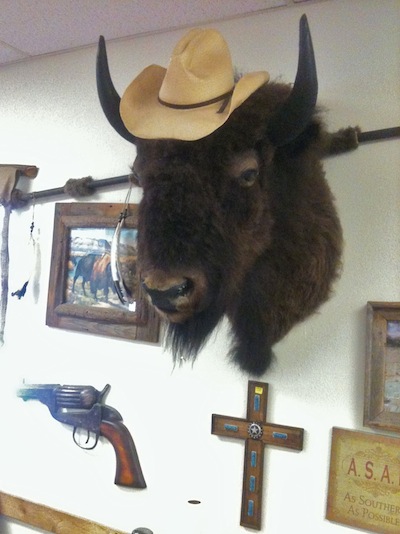
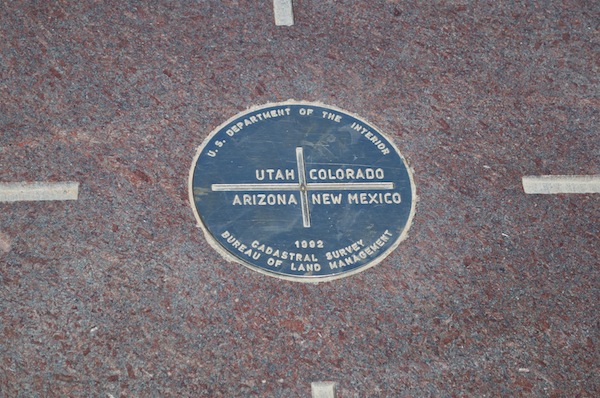
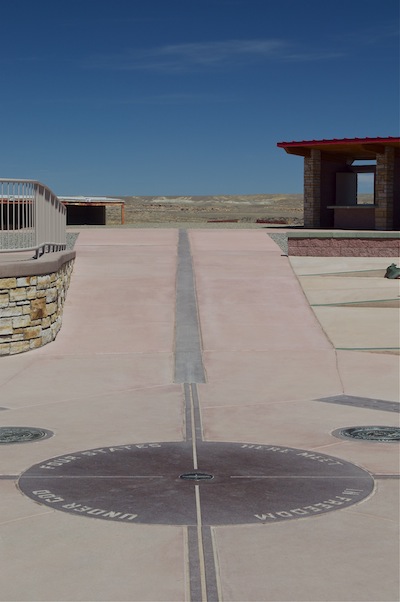
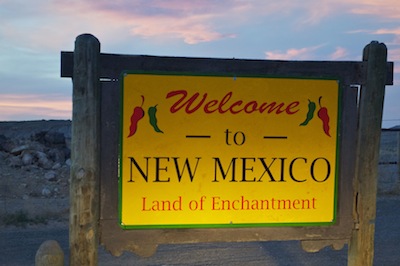 Reentering New Mexico after visiting the Four Corners Monument, I drove south to rejoin I-40, to take me further east. In the northwestern corner of New Mexico, the landscape is dominated by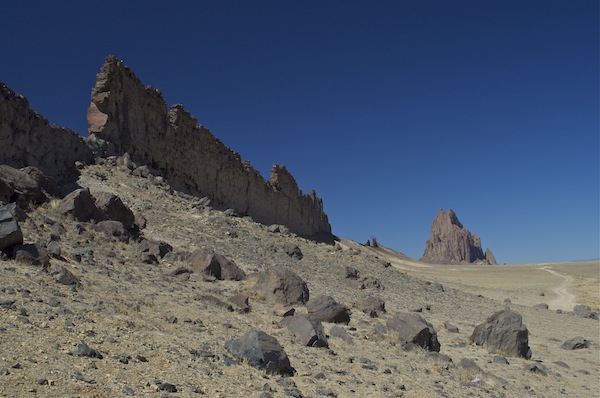
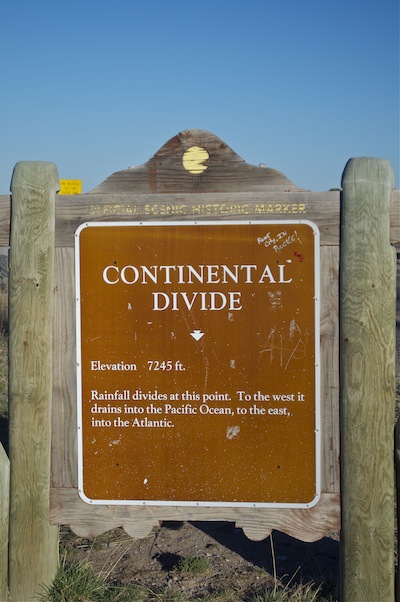
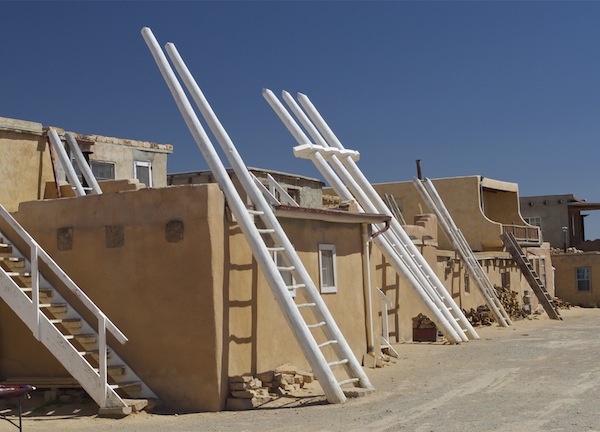




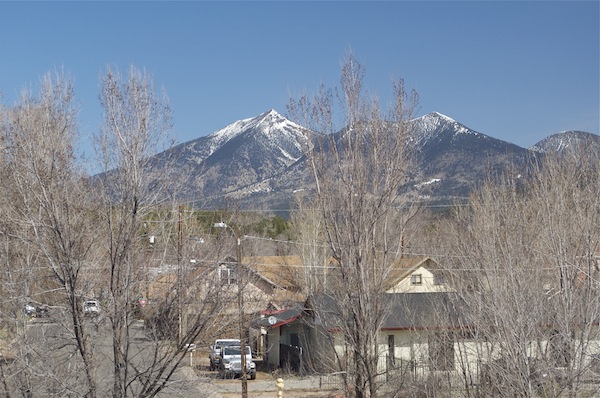
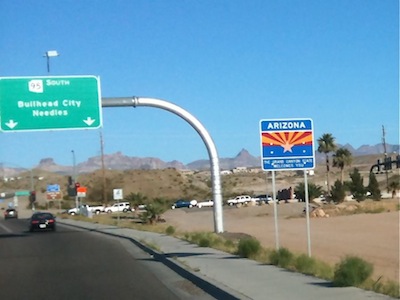 One tends to think of Arizona as being a hot dry state, and for much of the state, that’s certainly true. The north-western portion of the state, however, is at quite high elevation, and can receive a fair bit of precipitation (often snow), especially during the winter months.